Nutrition Planning for Busy Schedules
Learn how to organize balanced eating with limited time through educational guidance and simple meal planning principles.
Learn How to Organize Nutrition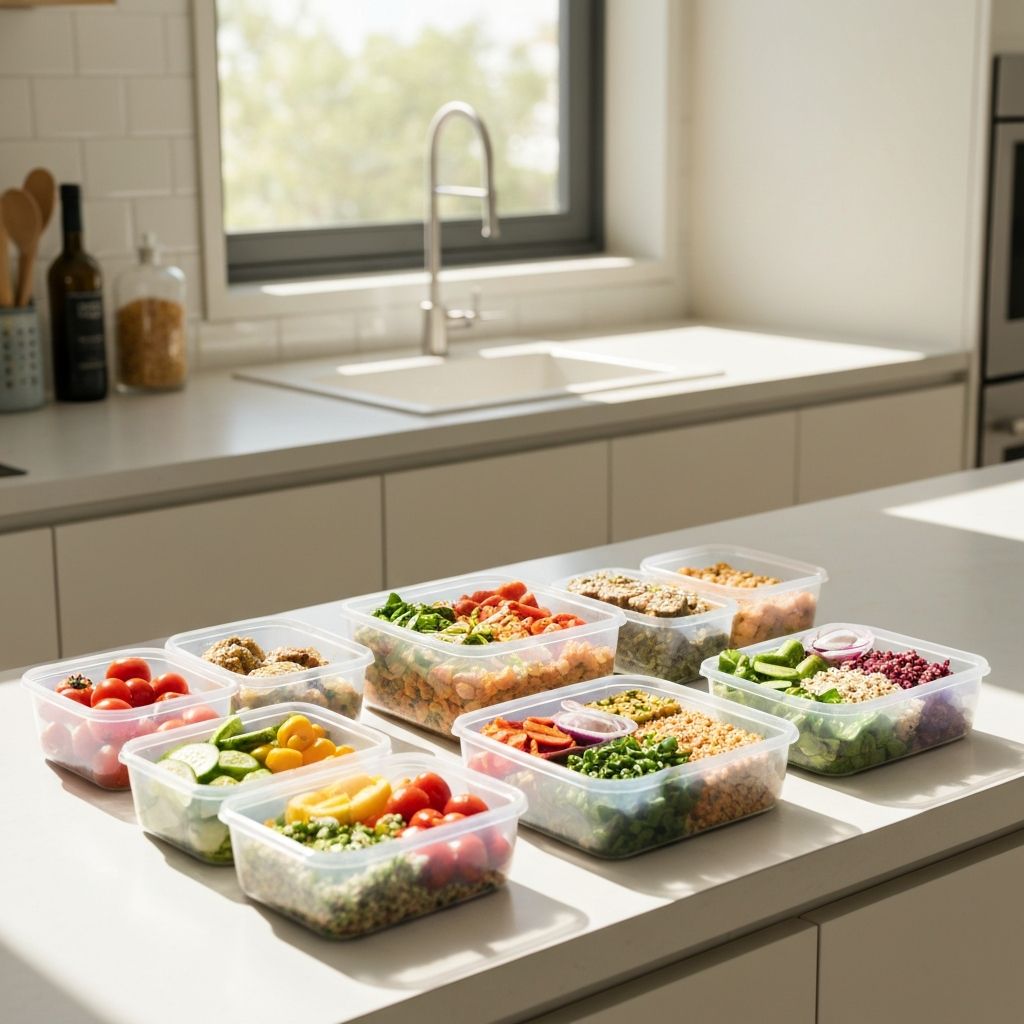
Learn how to organize balanced eating with limited time through educational guidance and simple meal planning principles.
Learn How to Organize Nutrition
Understanding the importance of structured eating habits in a busy lifestyle
Consistent meal patterns help maintain stable energy levels throughout demanding workdays.
Strategic meal planning reduces decision fatigue and saves valuable time during busy periods.
Building practical nutrition habits that fit seamlessly into an intensive lifestyle rhythm.
Educational foundations for organizing your daily nutrition
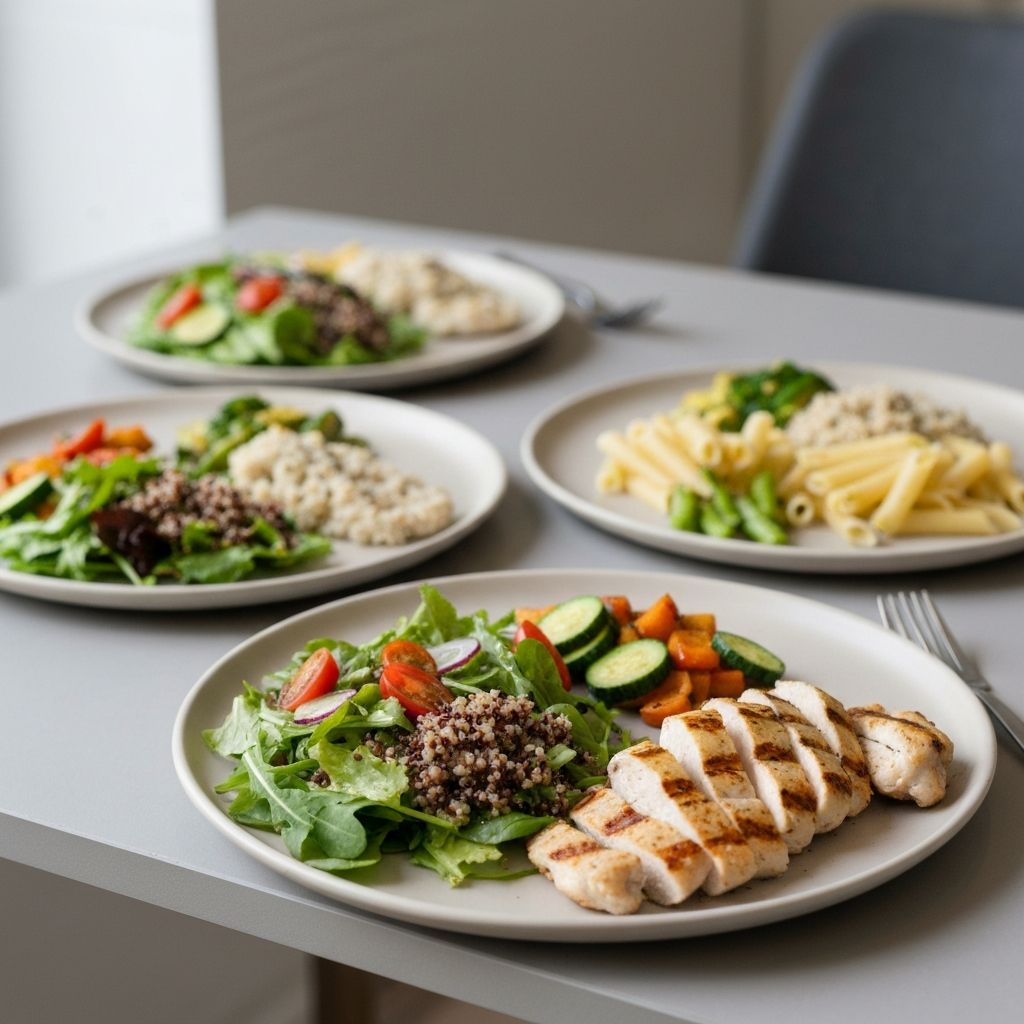
Dedicate time weekly to outline your meal structure, reducing daily decision-making stress.
Focus on straightforward recipes and familiar ingredients that require minimal preparation time.
Prepare components in larger quantities to mix and match throughout the week.
Create adaptable meal structures that accommodate changing schedules and circumstances.
Understanding practical options for different situations
Overnight preparations, portable options, and no-cook combinations that provide sustained energy.
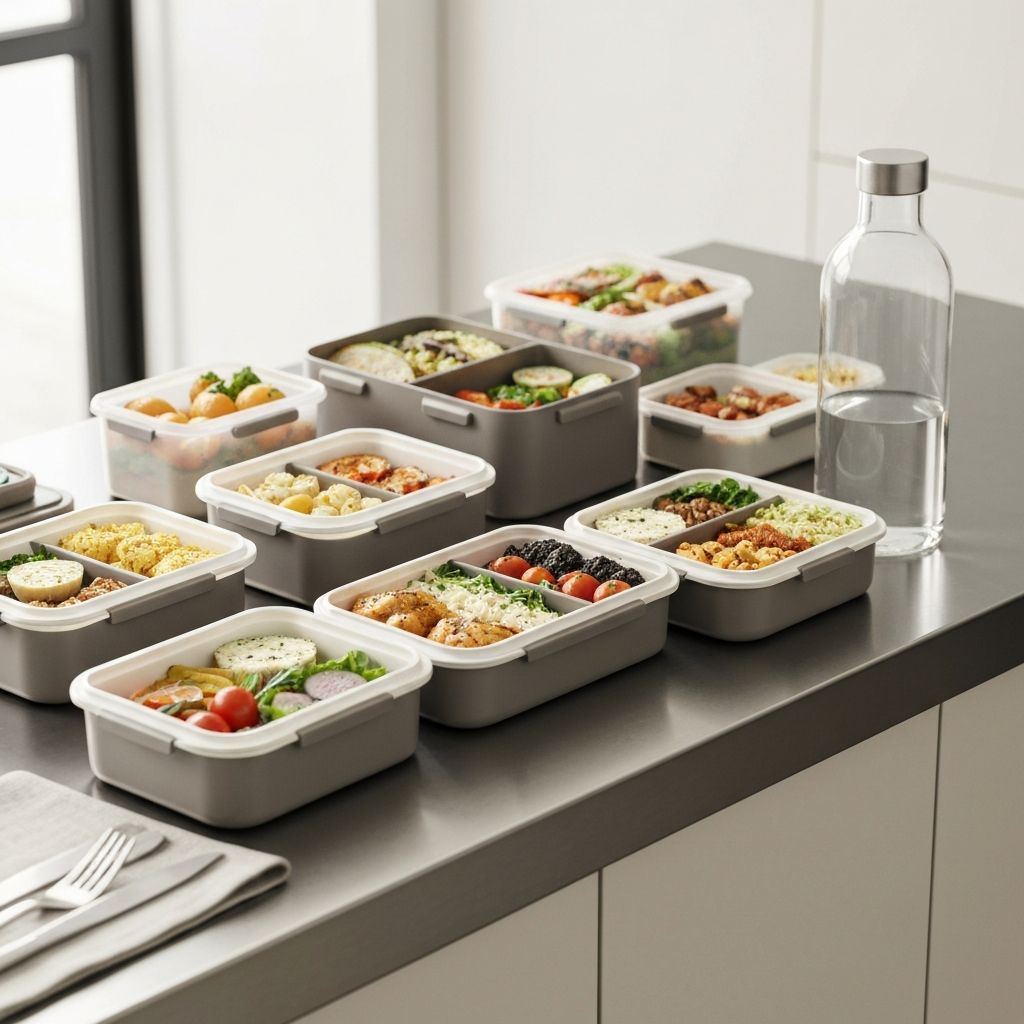
Meal containers, modular components, and workplace-friendly options that maintain freshness.
One-pan preparations, minimal-ingredient recipes, and time-saving cooking methods.
Portable options that bridge gaps between meals and support consistent energy patterns.

Effective meal preparation involves more than cooking. It includes strategic shopping, efficient storage, and realistic planning that aligns with your schedule.
Shopping strategies: Create focused lists, choose versatile ingredients, and shop during less busy hours.
Storage systems: Use appropriate containers, label preparations, and organize by usage pattern.
Time management: Identify preparation windows, batch similar tasks, and maintain realistic expectations.
Adaptation: Build flexibility into plans to accommodate unexpected schedule changes.
Educational nutrition guidance designed for various busy lifestyles
Individuals with demanding work schedules seeking structured eating patterns.
Those navigating multiple time zones and varying food environments.
Anyone balancing multiple responsibilities with limited meal preparation time.
Experiences from those who have explored our guidance
"The meal planning framework helped me understand how to organize my eating patterns around an unpredictable work schedule."
- Sarah M., Project Manager
"I learned practical strategies for maintaining consistent nutrition habits during frequent business travel."
- David L., Consultant
"The simple approach to meal preparation made it easier to integrate balanced eating into my daily routine."
- Maria K., Entrepreneur
Request a consultation to learn how to organize nutrition with limited time
Send a Consultation Request